
01 / Operational platform · web + mobile
BackOffice-Unificado
A decision layer that lets a human team read the real state of a case and move it forward with judgement.
I designed the flows and interface for a rental operation that needed to bring dispersed signals —lookup, people and property data, validations and dependent actions— into a clear experience for advisory teams.
Outcome: 7 sprints · documented design
- Role
- Product / UI Designer
- Scope
- 7 sprints · web + mobile
- Evidence
- Original UI · anonymized data
- Status
- Design prepared for review/development
The challenge
It was not a dashboard. It was an operation that could not lose its context.
When a prospect, property or process needed intervention, the team had to answer without manually rebuilding the story: what is happening, what information is missing, and what action is valid now?
My contribution was to turn operations input, customer feedback, existing-system issues and business requests into an interface grammar: statuses, blocks, filters, permissions and contextual actions.
01 · Look up
Find a case without rebuilding the story.
02 · Interpret
Read status, gaps and dependencies.
03 · Validate
Recognise which condition enables the next step.
04 · Act
Show only the relevant action.
My contribution
From operational signals to an interface grammar.
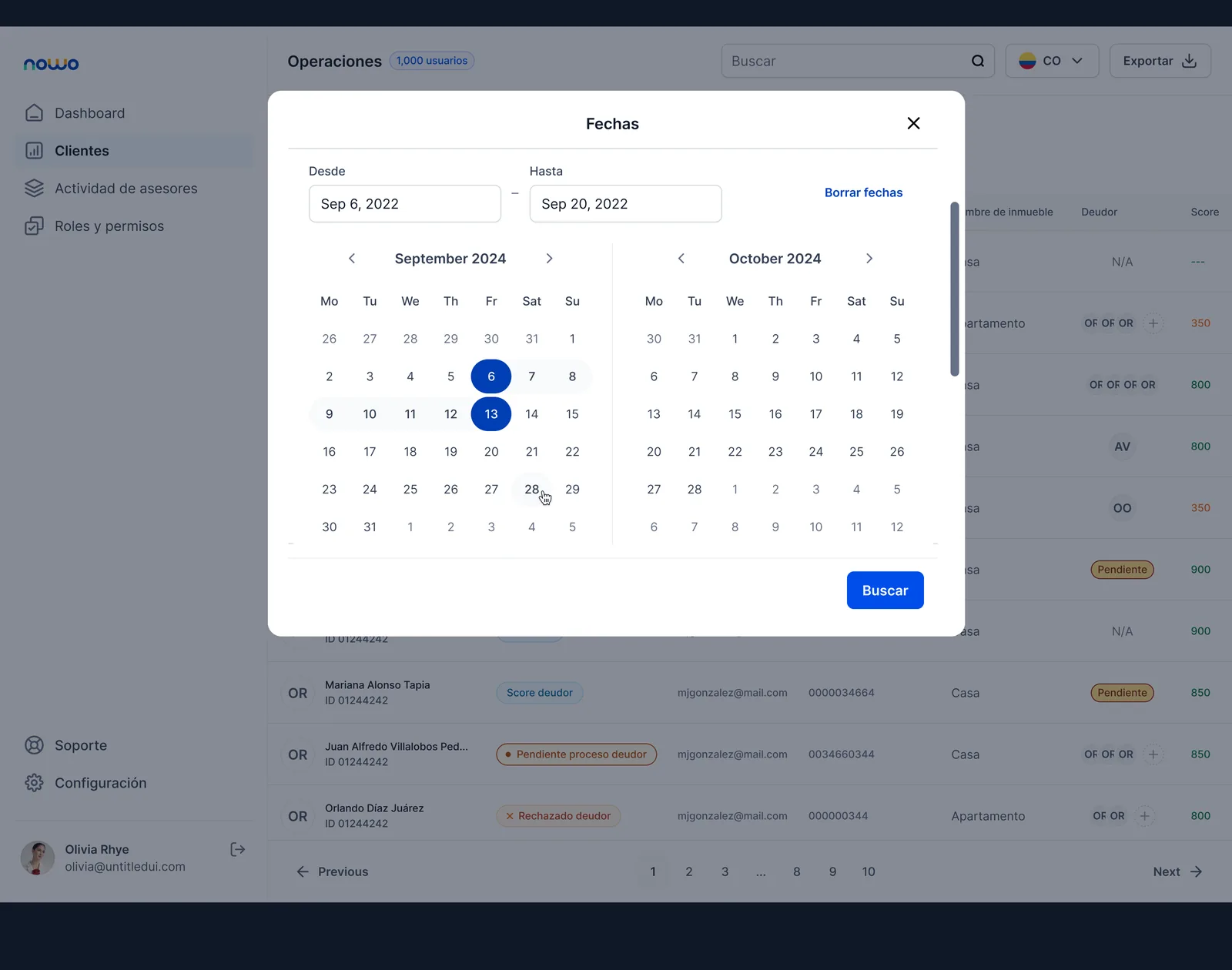
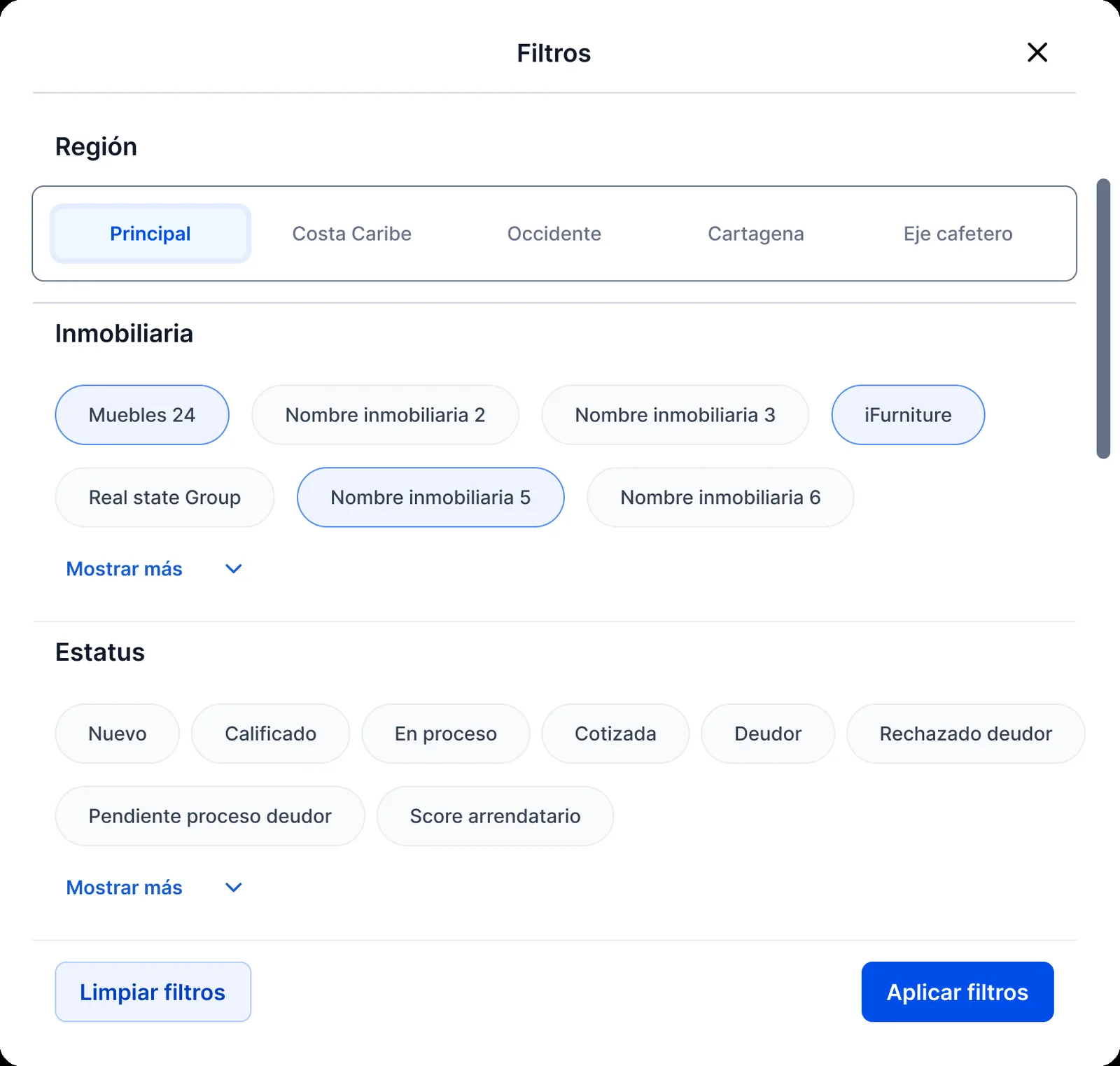
The first read had to move from broad search to a situated action. Lookup criteria, statuses and entry points to detail were designed as one decision rather than disconnected screens.
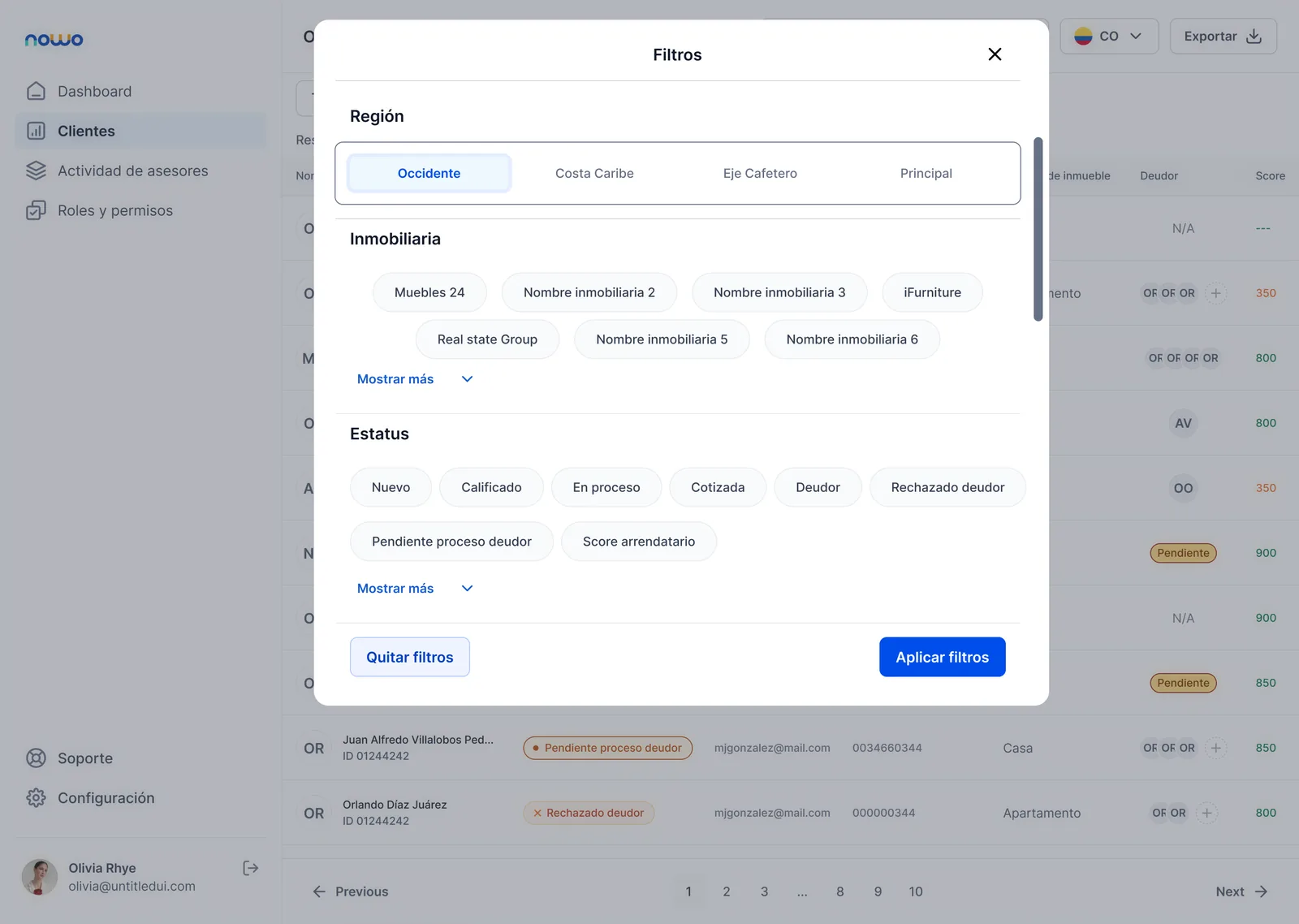
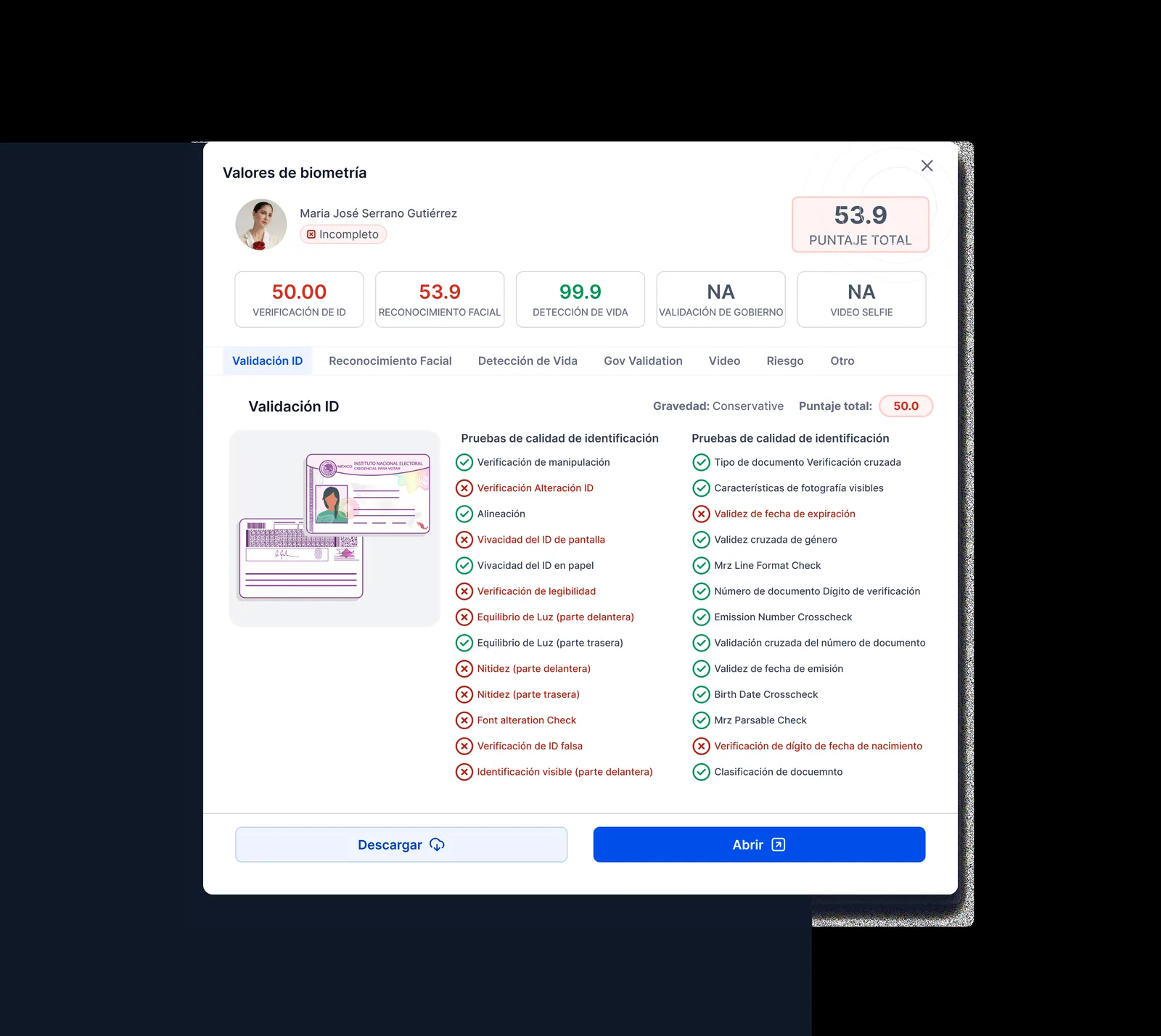
Value proposition
A queue that does more than list cases: it explains where to intervene.
Each screen answers a different operational condition. These are original captures; sensitive values were hidden without replacing the UI.
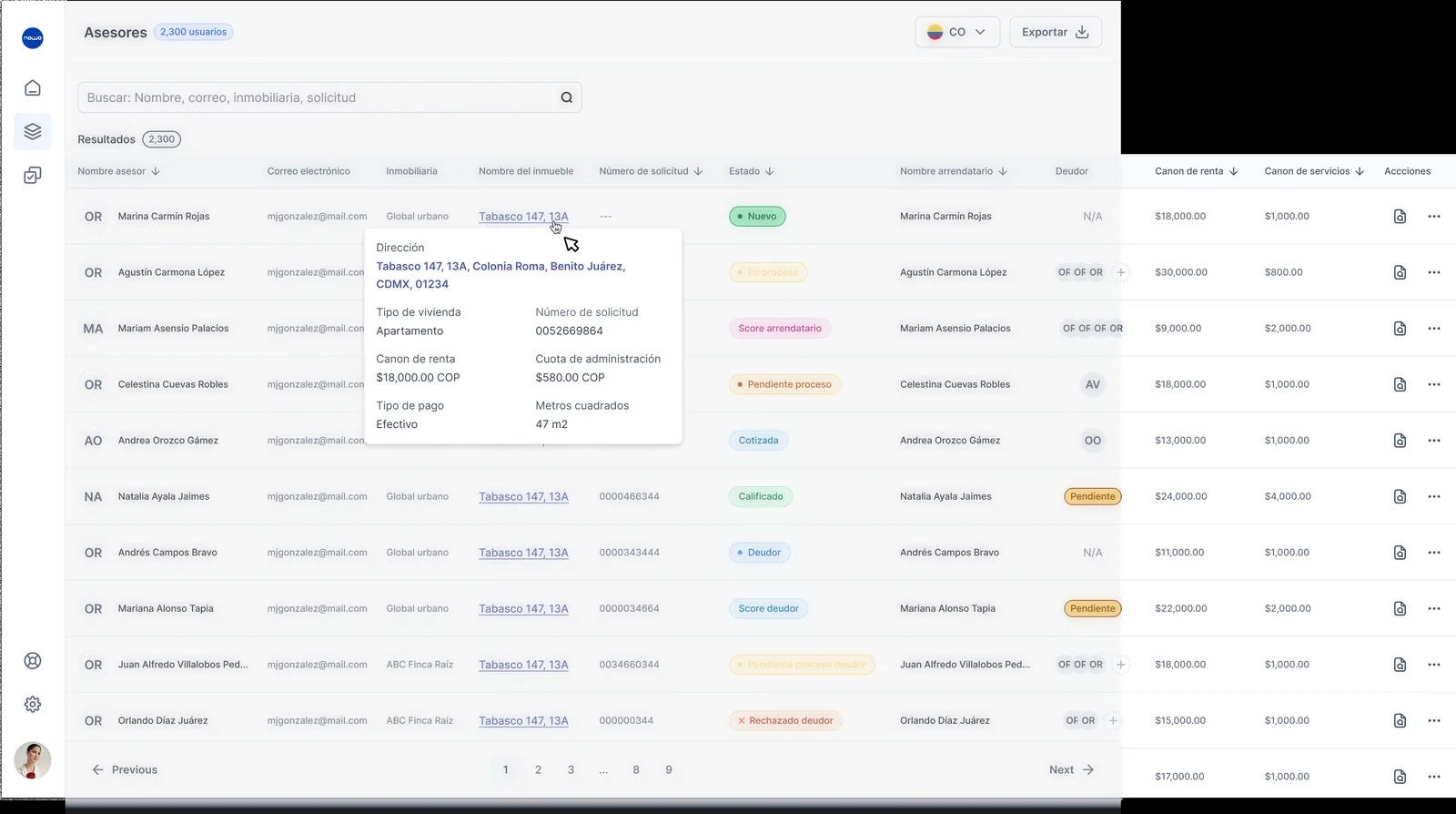
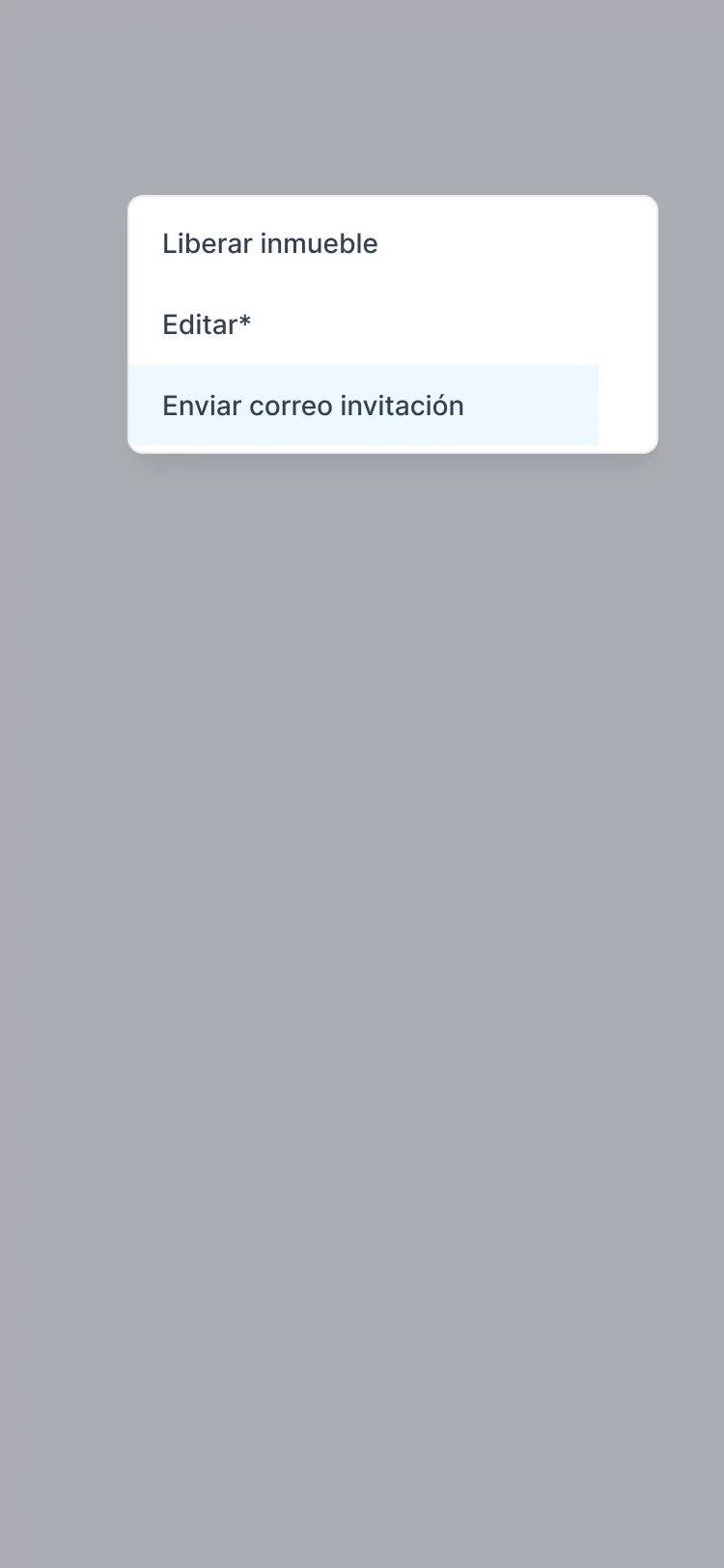
Decisions and evidence
Turning operational complexity into visible language.
The design did not erase process dependencies; it made them recognisable, explainable and actionable with less ambiguity.
Signal → decision
- Many cases
- Queue + search + visible status.
- Coexisting data
- Block-level hierarchy.
- Dependent next step
- Contextual actions + explicit statuses.
- Exceptions
- Fields and permissions refined by sprint.
Delivery and verifiable scope
Seven sprints. One logic, made more precise.
The available deliverables record web and mobile evolution. This timeline describes decisions prepared for review and development; it does not represent a launch or unverified metrics.
01 · Enter and locate
Login, market, search and initial read.
02 · Read the case file
People, property, request and debtors.
03 · Follow up
Invitations, validations, signing and documents.
04 · Find what matters
Search, filters and priority attributes.
05–07 · Refine exceptions
Permissions, specific fields and edge cases.
Learnings
An interface ready to support better operational conversations.
The result was a web and mobile system for looking up, filtering, interpreting statuses and acting on case files without losing the relationship between people, properties and dependencies.
Clarity = state + owner + next action.
Boundaries
Documented decisions, not unmeasured impact.
- Learning: clarity = state + owner + next action. This case documents design decisions; it does not claim formal research, usability testing, APIs, launch, adoption or quantitative impact without measurement.
- APIs, launch and adoption metrics are not claimed without evidence.
- Personal, contact, case-file, address, amount and volume data were redacted.